ESG
At Oriole, ethical and responsible stakeholder engagement and protection of the environments in which we work is at the core of everything we do, ensuring that all parties benefit from our operations.
Oriole supports the UN’s Sustainable Development Goals, focused on the following eight that we believe are most aligned with our core business and with our responsibilities as a corporate citizen.
Good health and well-being
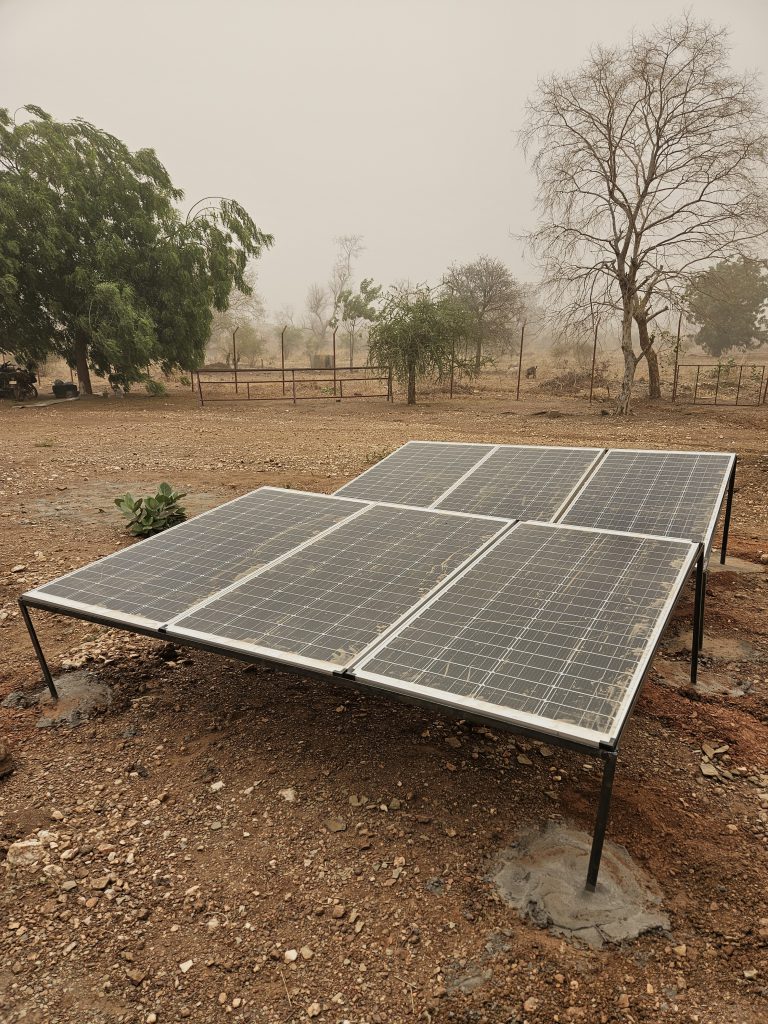
Much of Oriole’s exploration work in 2025 was related to Mbe and the Eastern CLP, with continued renovations of base houses to accommodate increased personnel and improve working and living conditions when on site. This included improvements to the accommodations, expansion of the kitchen, food storage areas and work yard, including a new core storage and working area. Regular water testing is also completed to ensure the filtration systems, installed in 2022, are delivering clean and safe water. Oriole’s local teams are empowered to bring forward suggestions across all of the Company’s operations so that it can improve lives and continue to build our social licence to operate. At the beginning of the year the Company also installed two water abstraction boreholes close to Mbe, and a further two water abstraction boreholes close to Bibemi for the benefit of the respective local communities.
Quality education
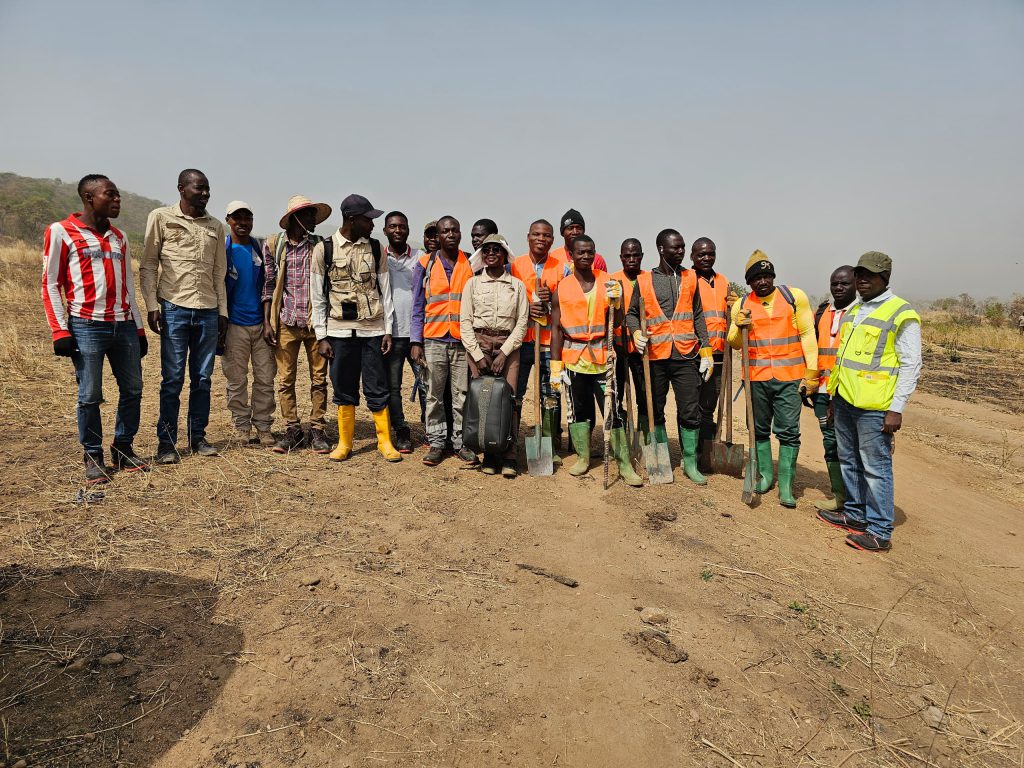
Exploration and mining companies have always been at the forefront of upskilling the local population in what are often remote areas of the world where educational facilities are sometimes less well established. Operating in Cameroon, with its relatively embryonic mining industry, gives us exposure to this opportunity and we work closely with the local communities and universities to deliver on this. Across all our operations, we source our employees in-country wherever possible and provide appropriate training at all levels to ensure everyone has an equal opportunity. In 2025, Oriole hosted a workshop for over 40 students from the University of Ngaoundere at our Mbe project. The workshop was hosted during the Phase 1 diamond drilling campaign and focussed on educating the students about the typical workflows and techniques used during an active exploration drilling programme. Local workers were further trained and employed as off-sider drill crew during the maiden Mbe drilling programme in 2024/2025 and at Bibemi, local people trained as off-siders during the 2021 and 2022 drilling campaigns, were re-engaged for the 2024-2025 work programme. Local employment further strengthens Oriole’s ties to the local communities and it is committed to providing further opportunities.
During 2025 Oriole also supported two further eduction projects in Cameroon. The first of these projects was a masters project based at the Meiganga School of Mines, where Oriole facilitated data acqusition through the use of its portable X-ray Fluorescence (pXRF) analyser, also providing training. The second project is an on-going PhD project in the Wapouzé area, where Oriole has provided geochemical data from the project to enhance the student’s dataset. Oriole also offered to support a PhD project via the UKRI NERC sponsored TARGET Doctoral Training Partnership (DTP) on the Mbe gold project. However, this is a competitive process and funding was unfortunately not secured. Oriole has subsequently offered to support a separate NERC funded PhD project on the Mbe gold project. Whilst this is again a competitive process and the funding isn’t guaranteed, the Company is hopeful of securing a student for the project, which would commence in 2026.
Gender equality
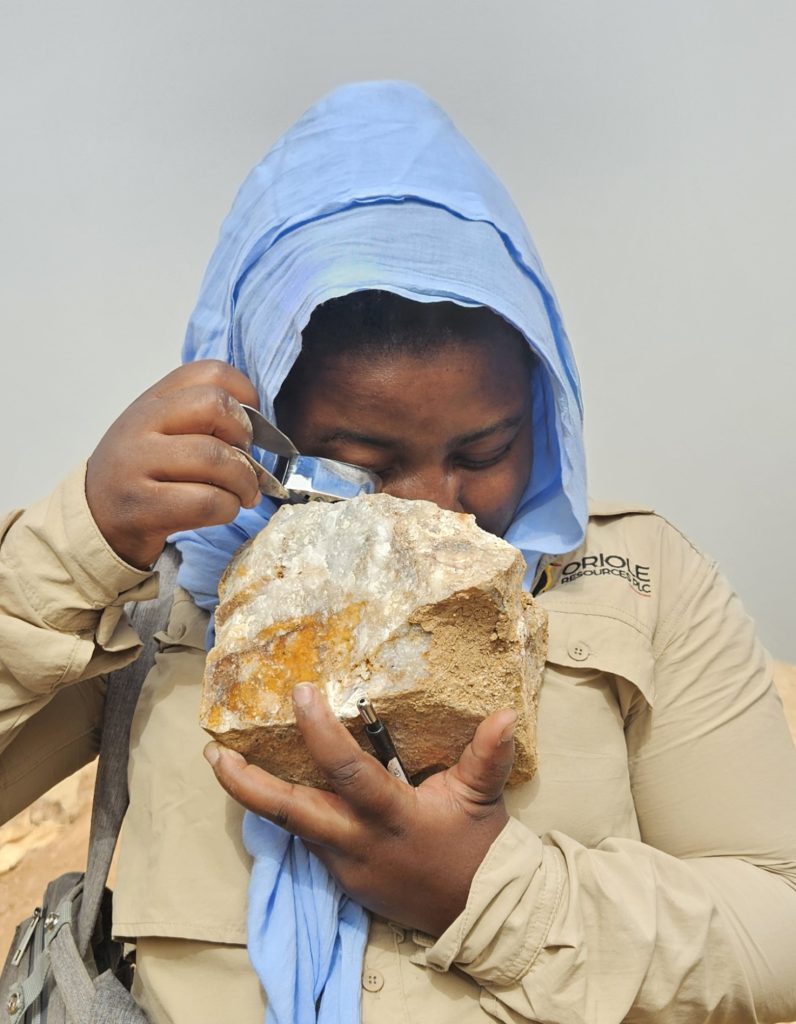
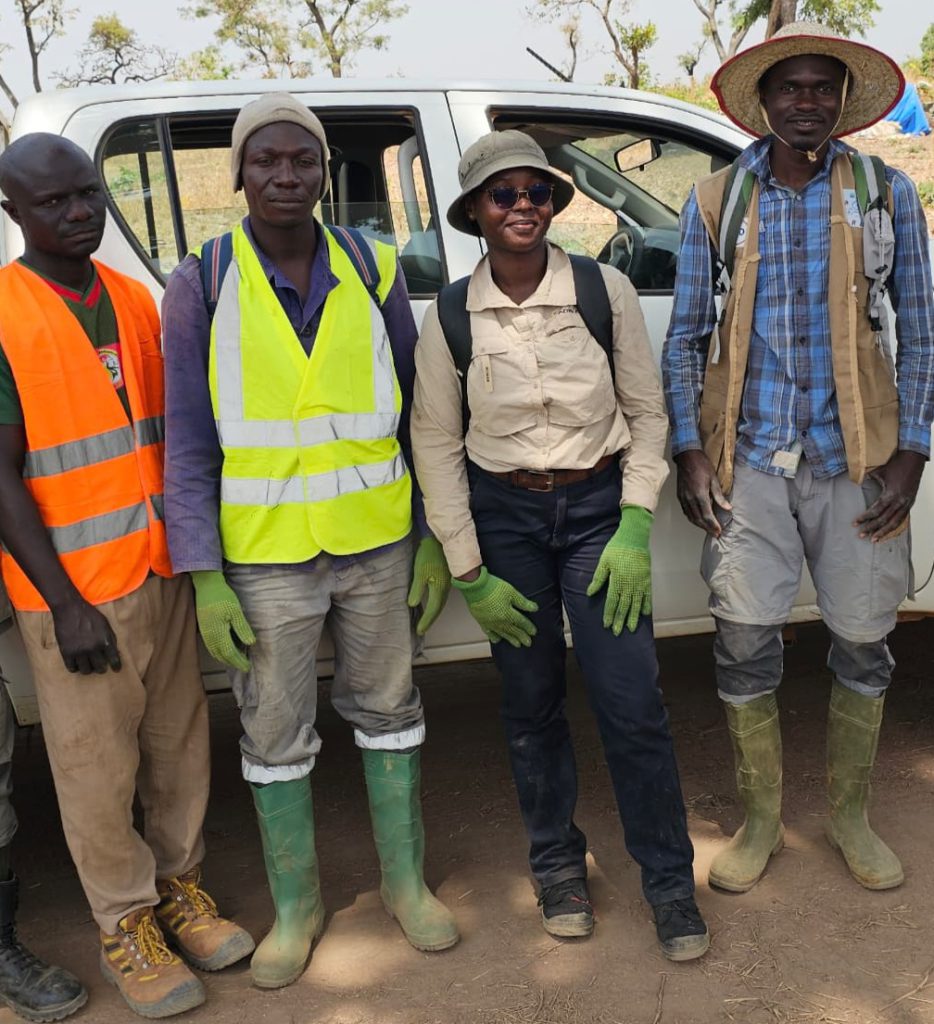
Diversity within a workforce brings wide-ranging benefits and can often be fundamental to a company’s success. Oriole promotes diversity throughout the Group, building its teams based on merit and not gender – or any other prejudice – and ensuring that everyone has equal rights, responsibilities and opportunities. Despite being a maledominated industry, Oriole strongly supports and empowers women in mining and the broader working environment. The Company has female roles at all levels of the business, from junior staff through to management and the Board, with a current 64:36 male to female ratio.
Decent work and economic growth
Exploration, and the resultant mining operations, drive significant growth in developing economies and are associated with a multiplier effect at both a local and national level. Oriole is committed to providing all of its employees with fair incomes, job security and safe working conditions. The Company supports the development of all its employees and aims to provide an environment which will attract, retain, and motivate people, helping them to maximise their potential and share in the Group’s successes. Oriole retained its team of 22 employees, 12 of whom are Cameroonian, to accommodate two parallel drilling programmes at Bibemi and Mbe, and after completion of the Bibemi programmes, parallel programmes at Mbe and other licences in the CLP. We remain committed to recruiting local and regional talent wherever possible and training and employing technicians and casual workers from the local communities. This equitable process has had a significant positive impact both financially and in terms of upskilling the local workforce
Industry, Innovation & Infrastructure
Exploration and mining is at the front line of discovering the very resources that are critical to the delivery of global infrastructure and technological advancements and that are important to many of the sustainability challenges facing the world today. Whilst we are gold-focused, during our exploration work we also test for a wide range of other elements, including the battery metals that are crucial to meeting the UN’s sustainability goals. This is highlighted by our prior evaluation of anomalous lithium-in-soil concentrations within our Ndom licence, alongside our gold exploration programmes. Whilst the importance of lithium in the context of carbon neutrality and development of green energy is well known, the importance of gold in building resilient infrastructure and promoting sustainable industrialisation is often overlooked and yet, due to its inherent properties, 11% of all gold produced is used in industry, with applications in medical, electronics, automotive, defence and aerospace industries, as well as climate-controlled buildings.
At a more local level, we aim to support governmental sustainability programmes and where possible include new and green technologies within our workplace. In Senegal, through the existing joint venture with Managem, the Company provides annual contributions to the country’s Social Mining Programme, a fund dedicated to benefiting local communities, and an integral part of the Senegalese Mining Code.
Reduced inequalities
Oriole leads by example in the countries and communities in which it operates, by building diverse teams that do not discriminate on the basis of sex, age, disability, sexual orientation, race, class, ethnicity, or religion. Throughout the business, we fully embrace the individuality of each and every one of our employees and operate a zero-tolerance approach to anyone that does not adhere to these values. Within the business, our team of 21 employees are from three different countries, practise a number of different religions and have ages ranging from 26 to over 65 years
Life on land
The Company is committed to minimising any adverse impacts of its activities on the natural environment and, as a minimum standard, we comply with any relevant legislation and environmental regulations within the territories in which we operate. During all of our programmes, we ensure that we have a minimal impact on the environment by planning our programmes as efficiently as possible and we have protocols in place to ensure that all of our sites are rehabilitated before we move on. In 2025, Oriole ensured that all drilling sites were rehabilitated to make the area safe for both people and animals. The Company is also completing backfilling of illegal artisanal excavations within the Mbe area, in particular where they impacted future exploration works at the site.
As part of technical studies at the Bibemi project, a detailed Environmental and Social Impact Assessment (“ESIA”) was completed by Cameroonian-based Jurilex International, and in 2025 the project received its certificate of Environmental Compliance thus validating the ESIA report. This study takes into consideration a wide range of environmental and social factors along with local stakeholder engagement to make sure the project is moving forward in a socially beneficial and environmentally friendly manner, and approval of the report brings the project closer to securing an Exploitation Licence.. A similar study has recently been submitted for Wapouzé in 2026.
Partnerships for the Goals
Oriole has a diverse array of stakeholders and is committed to understanding and meeting their needs. In the countries we operate, we have local partners that help us to foster good relationships with local communities and the local administration to ensure that our goals are aligned. We also use in-country suppliers wherever possible to support communities and local businesses.
At a project scale, Oriole has a commitment to stakeholder engagement and a continuous programme of reparation where any of our exploration programmes are found to impact on the local communities. Oriole continues to engage with the local administration and stakeholders to make sure that all exploration is undertaken in a way that is beneficial to all parties.
At a higher level in Cameroon, we also continue to work closely with the Ministry of Mines, the UK Honorary Consul and the British High Commission, and strongly support the efforts they are making to attract foreign investment and promote the sustainable development of Cameroon.